
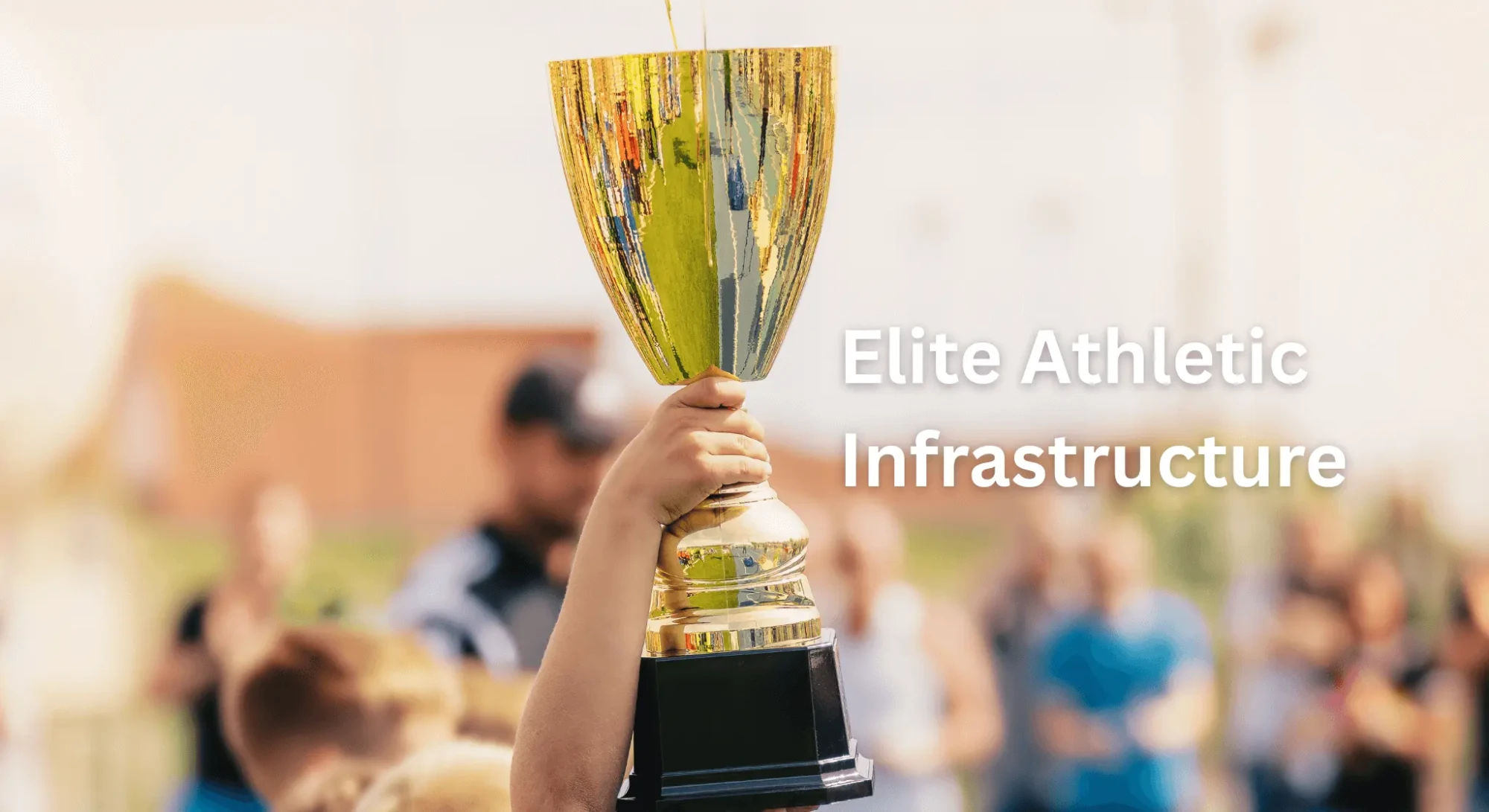
Education is not only about academic learning; it also involves physical development, discipline, and character building. Sports and physical education play a crucial role in shaping students into healthy, confident, and well-balanced individuals.
At National Public School Indore, sports and fitness activities are an essential part of the educational experience. The school believes that physical health and mental well-being are closely connected, and students perform better academically when they maintain an active lifestyle.
By encouraging participation in sports and outdoor activities, the school helps students develop discipline, teamwork, and leadership skills.
Importance of Physical Fitness in Education
Physical fitness is an important aspect of a student’s overall development. Regular participation in sports activities improves stamina, strength, flexibility, and coordination.
Students who engage in physical exercise are more energetic and focused in the classroom. Physical activity also helps reduce stress and anxiety, creating a healthier learning environment.
Sports activities encourage students to develop healthy habits from an early age. These habits can continue throughout their lives and contribute to long-term well-being.
Schools that integrate sports into their curriculum help students maintain a balanced lifestyle between academics and physical health.
Building Discipline and Teamwork
Sports teach valuable life lessons that cannot always be learned in a classroom. Participation in games and competitions helps students understand the importance of discipline, dedication, and perseverance.
Students learn how to work together as a team, support their peers, and respect their opponents. These experiences build character and strengthen interpersonal relationships.
Team sports also help students develop communication skills and leadership qualities. They learn how to coordinate with others and achieve common goals.
These skills are highly valuable not only in school but also in future professional and social environments.
Developing Leadership Skills
Sports activities provide students with opportunities to take leadership roles. Captains, team leaders, and event coordinators learn how to guide their teammates and make decisions under pressure.
Leadership experiences during school years help students build confidence and develop strong decision-making abilities.
Students who participate in sports competitions also learn how to handle success and failure gracefully. These experiences strengthen resilience and emotional intelligence.
By promoting sports participation, schools help students develop qualities that are essential for leadership in the future.
Encouraging Healthy Competition
Competition in sports encourages students to push their limits and strive for excellence. Healthy competition motivates students to improve their performance and achieve their personal best.
Sports competitions also help students learn how to handle pressure and maintain focus during challenging situations.
Through inter-school tournaments and sports events, students gain exposure to competitive environments and learn how to represent their school with pride.
These experiences help students build confidence and develop a winning mindset.
Balancing Academics and Sports
One of the biggest misconceptions about sports is that they distract students from academics. In reality, physical activity often improves concentration and academic performance.
Students who participate in sports develop better time management skills. They learn how to balance their academic responsibilities with training and practice sessions.
Research has shown that regular physical activity improves brain function, memory, and concentration levels.
Schools that encourage sports participation create an environment where students can excel both academically and physically.
Creating Lifelong Healthy Habits
Sports and physical education help students develop habits that contribute to a healthy lifestyle. Regular exercise, proper nutrition, and active living become part of their daily routine.
Students who develop these habits during their school years are more likely to maintain them in adulthood.
This contributes to improved health, increased productivity, and better overall quality of life.
Schools that emphasize physical fitness play an important role in shaping healthier future generations.
Conclusion
Sports and physical education are essential components of a well-rounded education system. They contribute to physical health, mental well-being, character development, and leadership skills.
At National Public School Indore, sports activities are integrated into the educational experience to ensure students develop both academically and physically.
By encouraging active participation in sports, the school helps students build confidence, discipline, and teamwork. These qualities prepare them not only for academic success but also for life beyond the classroom.
A balanced education that includes sports, academics, and personal development helps students grow into confident and capable individuals ready to succeed in the future.